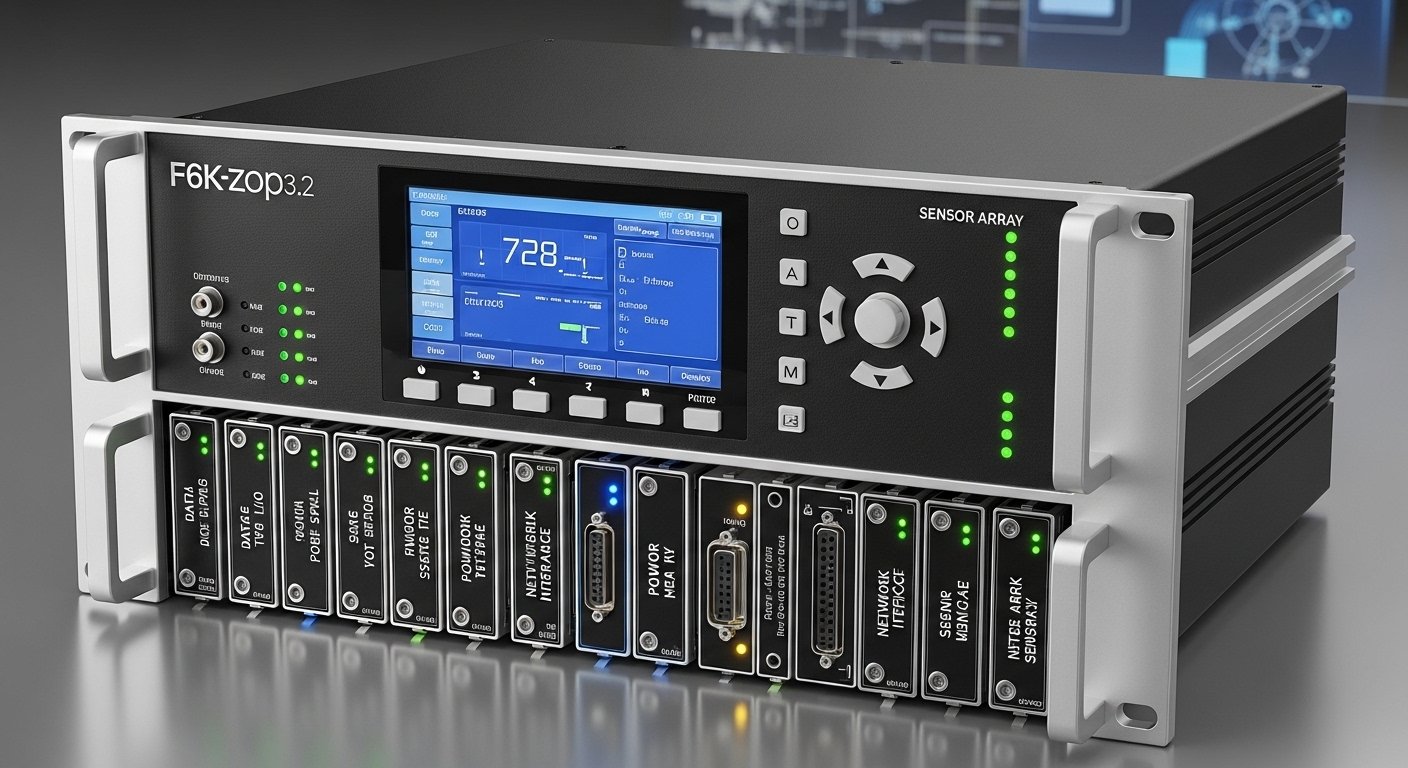
f6k-zop3.2.03.5 model: A Complete Guide to Its Features and Applications
Introduction
In today’s fast-moving technology landscape, specialized system models and coded frameworks are becoming increasingly common in software development, hardware integration, and technical automation. One such example is the f6k-zop3.2.03.5 model, a structured configuration that is gaining attention among engineers, developers, and technical analysts. Although its name appears highly technical, understanding how the f6k-zop3.2.03.5 model works can provide valuable insight into how modern systems manage complex operations with efficiency and precision.
This article explores the architecture, key features, potential use cases, and advantages of the f6k-zop3.2.03.5 model, helping readers understand why such models are important in advanced technological environments.
Understanding the f6k-zop3.2.03.5 model
At its core, the f6k-zop3.2.03.5 model represents a structured configuration or framework used to manage system-level processes. These types of models are typically designed to organize operations, improve compatibility between modules, and maintain consistency across large-scale technical infrastructures.
Unlike generic frameworks, the f6k-zop3.2.03.5 model focuses on modular integration. Each component inside the system interacts with others through clearly defined parameters. This modular approach allows developers to scale systems easily while maintaining performance and stability.
The structured naming convention also indicates that the f6k-zop3.2.03.5 model may include multiple revisions or configuration layers. Each numeric segment often represents version control, compatibility settings, or subsystem parameters.
Core Architecture and Design
The architecture behind the f6k-zop3.2.03.5 model follows a layered system structure. This design separates key operational elements into distinct levels, making management and updates more efficient.
1. Configuration Layer
The configuration layer controls how the system initializes and interacts with other components. Within the f6k-zop3.2.03.5 model, this layer defines system parameters, connection rules, and operational boundaries.
2. Processing Layer
The processing layer is responsible for executing commands and managing computational tasks. By using optimized algorithms, the f6k-zop3.2.03.5 model ensures that processes run efficiently without causing performance bottlenecks.
3. Communication Layer
Modern systems require seamless data exchange. The f6k-zop3.2.03.5 model includes a communication structure that enables internal modules to share data quickly and reliably. This reduces latency and enhances overall system coordination.
4. Monitoring Layer
Another important element of the f6k-zop3.2.03.5 model is its monitoring capability. This layer tracks system health, identifies irregular activity, and assists administrators in maintaining optimal performance.
Key Features of the f6k-zop3.2.03.5 model
The growing interest in the f6k-zop3.2.03.5 model is largely due to its powerful feature set. These features help organizations maintain stability while improving system flexibility.
Scalability
The modular design allows the f6k-zop3.2.03.5 model to adapt to both small and large environments. Organizations can expand their infrastructure without redesigning the entire framework.
High Efficiency
Efficiency is one of the most valuable characteristics of the f6k-zop3.2.03.5 model. Its optimized architecture reduces resource consumption while maintaining strong performance.
System Compatibility
Another advantage of the f6k-zop3.2.03.5 model is its ability to integrate with multiple technologies. It can function within diverse environments without requiring extensive modifications.
Error Management
Reliable systems must be able to detect and handle errors quickly. The f6k-zop3.2.03.5 model includes monitoring and diagnostic capabilities that help administrators identify issues before they affect operations.
Practical Applications
The f6k-zop3.2.03.5 model can be applied in several technological sectors where structured system control is essential.
Software Development
Developers can use the f6k-zop3.2.03.5 model to manage application architecture, ensuring that different modules communicate effectively and remain synchronized.
Industrial Automation
Automation systems require precise coordination between hardware and software. The f6k-zop3.2.03.5 model helps maintain stable communication between sensors, control units, and processing modules.
Data Management Systems
Large-scale data environments benefit from organized frameworks. The f6k-zop3.2.03.5 model can help structure data processing pipelines, improving both performance and reliability.
Technical Research
In research environments, experimental systems often require flexible configuration models. The f6k-zop3.2.03.5 model allows researchers to adjust parameters and test different operational scenarios without disrupting the entire system.
Advantages for Modern Systems
As technology continues to evolve, frameworks like the f6k-zop3.2.03.5 model become increasingly valuable. They allow organizations to manage complex infrastructures without sacrificing efficiency or stability.
One of the biggest benefits is flexibility. Because the f6k-zop3.2.03.5 model separates system components into structured layers, updates can be implemented without affecting unrelated modules. This reduces downtime and improves maintainability.
Another advantage is reliability. Systems built around the f6k-zop3.2.03.5 model are easier to monitor and diagnose. Administrators can identify potential issues early and maintain consistent performance across the entire environment.
Conclusion
The f6k-zop3.2.03.5 model demonstrates how structured frameworks can improve the efficiency, reliability, and scalability of modern technical systems. Organizing operations into clear layers and modules, it simplifies the management of complex infrastructures while maintaining strong performance.
Whether used in software development, industrial automation, or data management, the f6k-zop3.2.03.5 model provides a practical approach to system design. As technology continues to grow more sophisticated, models like this will remain essential tools for engineers and developers seeking stable and adaptable solutions.
l