Introduction
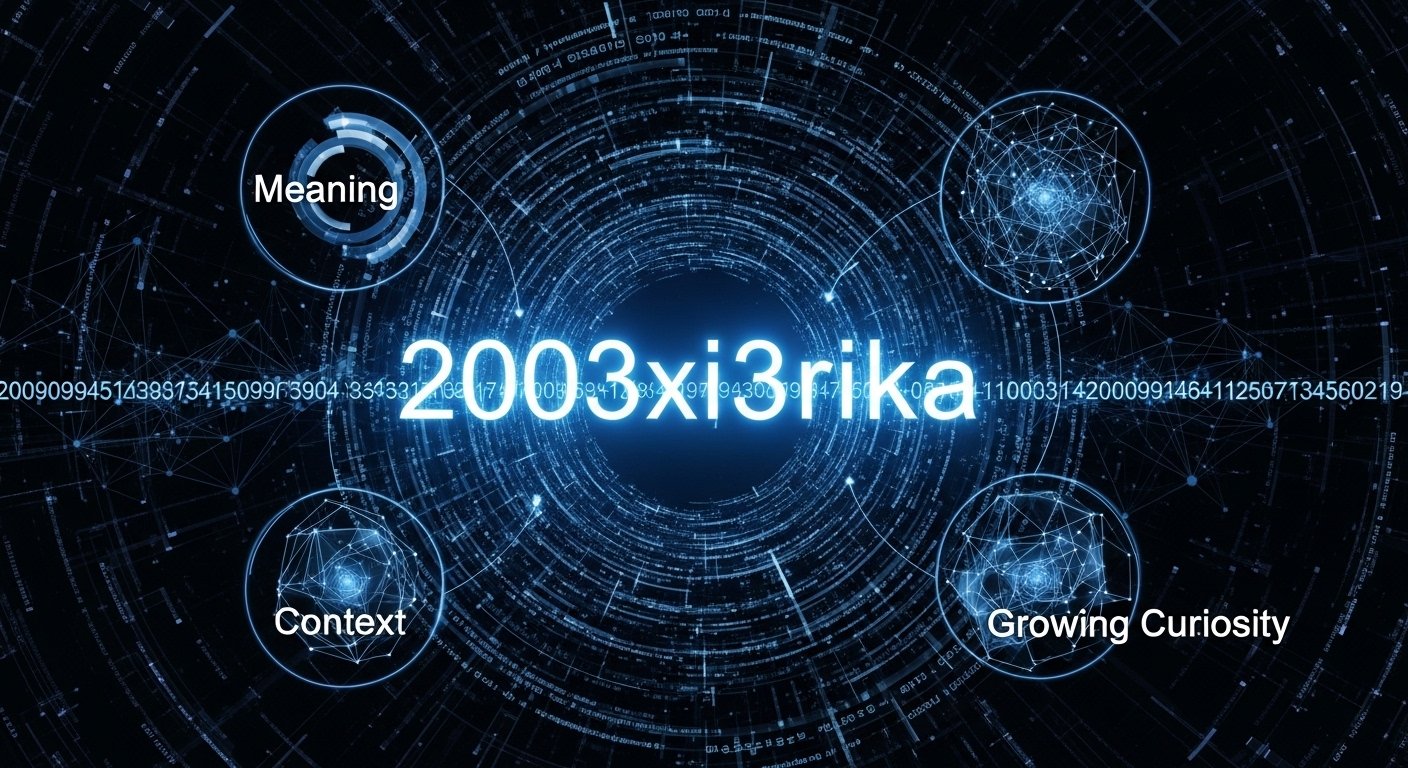
In the digital world, unusual codes, identifiers, and keywords often appear without much explanation. One such intriguing term is 2003xi3rika. At first glance, it may look like a random mix of numbers and letters, but keywords like this often spark curiosity because they can represent hidden identifiers, technical labels, project codes, or even emerging digital references. As online platforms expand and new systems are introduced, unique terms such as 2003xi3rika become part of conversations among developers, researchers, and digital communities. Understanding what a keyword like 2003xi3rika could represent helps readers see how modern digital environments organize and classify information.
The Possible Origins of 2003xi3rika
Unique keyword structures are often created intentionally. The combination of numbers and letters in 2003xi3rika suggests it could be a coded identifier rather than a traditional word. In many digital systems, structured naming conventions help categorize content, software versions, internal projects, or experimental datasets.
The number “2003” might indicate a year, version, or batch identifier. Meanwhile, the characters “xi3rika” could represent a shortened project name, encrypted reference, or internal labeling format used within a technical environment. Systems such as databases, software repositories, or experimental frameworks often rely on identifiers like 2003xi3rika to ensure each entry remains unique and traceable.
These structured keywords allow organizations to manage large amounts of data efficiently while maintaining a clear system of classification.
Why Unique Keywords Like 2003xi3rika Exist
In modern technology, uniqueness is essential. Systems dealing with massive datasets must prevent duplication or confusion between entries. That is where specialized identifiers such as 2003xi3rika become valuable.
Unique labels help in several areas:
Data Organization
Databases require identifiers that separate records from one another. A code like 2003xi3rika could serve as a database key, allowing software to locate specific records instantly.
Software Development
Developers often assign special tags or project identifiers during testing phases. A term like 2003xi3rika could represent a build version, a module, or an internal development branch.
Digital Asset Tracking
Organizations managing digital assets—such as images, documents, or software components—use structured codes like 2003xi3rika to track files across systems.
Without such identifiers, managing modern digital infrastructure would become chaotic and inefficient.
The Role of 2003xi3rika in Digital Systems
Although the exact definition of 2003xi3rika may depend on its context, its structure reflects a common pattern used across many digital environments. These identifiers function as anchors that help software systems maintain order.
In cloud environments, for example, thousands of services and files may exist simultaneously. Assigning unique tags such as 2003xi3rika ensures that automated systems can locate resources quickly. Similarly, large research projects often generate multiple datasets that require precise labeling. A code like 2003xi3rika could mark a specific experiment, model iteration, or dataset version.
Even cybersecurity frameworks sometimes use coded identifiers to label vulnerabilities, internal tools, or system events. This shows how versatile structured keywords can be across industries.
How Users Encounter Keywords Like 2003xi3rika
For most people, identifiers like 2003xi3rika appear unexpectedly. They might show up in logs, documentation, software updates, or technical reports. When users encounter such keywords, it often indicates that the term belongs to a deeper technical system operating behind the scenes.
For example, a software update log might reference 2003xi3rika as part of a build record. A developer forum could mention 2003xi3rika when discussing a debugging case. Researchers may even use identifiers like 2003xi3rika to reference a specific dataset version in collaborative projects.
Because these keywords are rarely explained directly, they tend to generate curiosity. This curiosity often leads to investigation, documentation, and discussion among technical communities.
Interpreting the Structure of 2003xi3rika
The structure of 2003xi3rika itself provides clues about how it might have been created. Hybrid identifiers that combine numbers and letters are designed to be both unique and readable by machines.
Numbers can represent dates, versions, or classification numbers. Letters typically represent project names, departments, or internal coding patterns. When combined, they form identifiers such as 2003xi3rika that are compact but still meaningful to the system that generated them.
This hybrid structure is widely used because it balances human readability with machine efficiency.
Why Interest in 2003xi3rika Is Growing
In online spaces, mysterious or unexplained keywords often attract attention. When people encounter a term like 2003xi3rika, they naturally want to understand its purpose. Curiosity drives discussions, search queries, and speculation about its meaning.
Another reason for the growing interest is the expanding complexity of digital systems. As more technologies rely on automated identifiers, users frequently encounter unfamiliar codes. This increases the likelihood that terms such as 2003xi3rika will appear in searches, documentation, and technical conversations.
Understanding these identifiers helps users develop better digital literacy and a clearer perspective on how modern systems operate.
Conclusion
Keywords like 2003xi3rika demonstrate how modern digital environments rely on structured identifiers to manage complex systems. Although the term may initially appear random, it reflects a broader practice used in software development, data management, and technological research. By combining numbers and letters into a unique code, identifiers such as 2003xi3rika help systems organize information, track resources, and maintain clarity across large datasets.
As technology continues evolving, more identifiers like 2003xi3rika will appear across digital platforms. Learning how these codes function provides valuable insight into the invisible frameworks that support modern computing and data systems.